
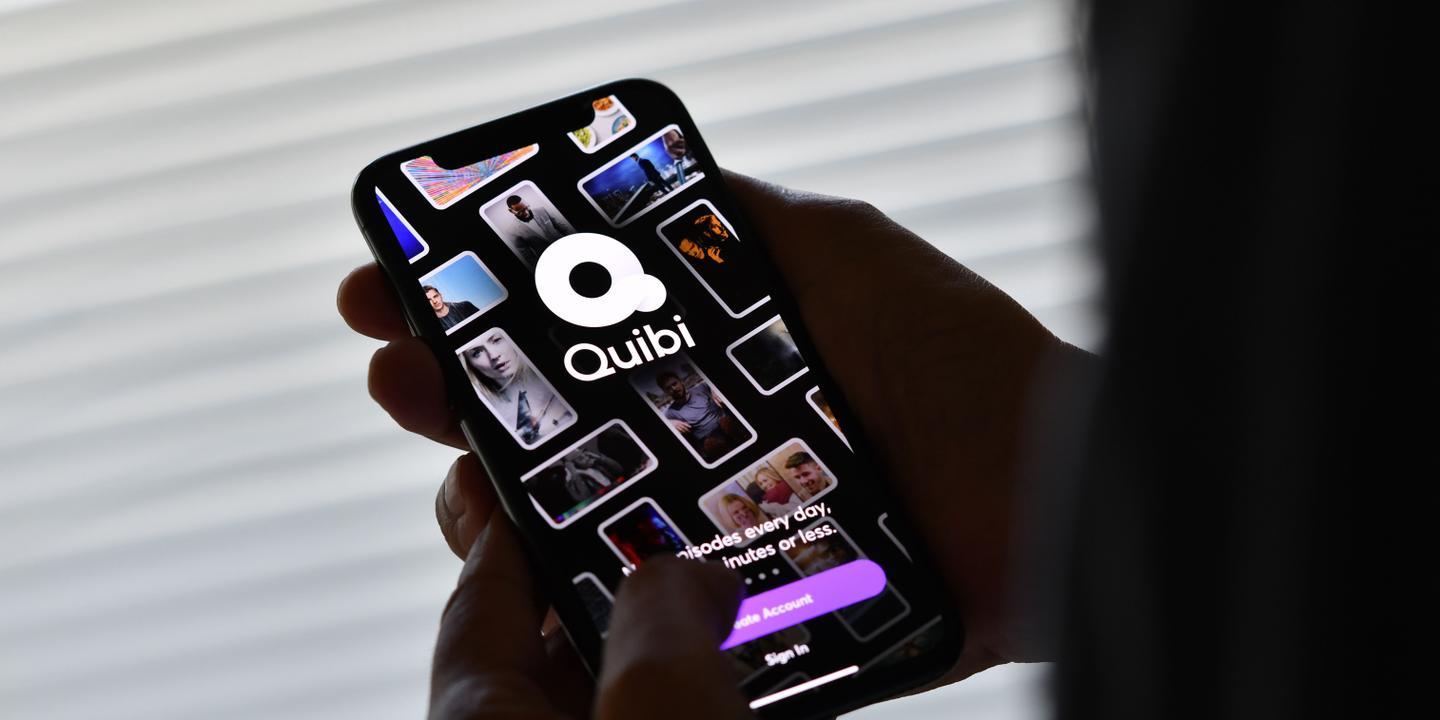
Quibi raised nearly $2 billion but failed to achieve product-market fit, shutting down just six months after launch.
Written by TFN Research Desk | covering startups, technology, venture capital, and business strategy.
While Jeffrey Katzenberg assembled the most credentialed launch team in streaming history, the most basic question about the product went unasked until the money ran out.
In April 2020, a streaming app launched with backing from Disney, Goldman Sachs, JPMorgan, Alibaba, and almost every major Hollywood studio. Its founder had built DreamWorks. Its CEO had run Hewlett-Packard and eBay. Its shows featured A-list stars at budgets of up to six million dollars per hour of content. Six months later, it was gone. Quibi raised close to two billion dollars, attracted fewer than 500,000 paying subscribers, and shut down in October 2020, returning its remaining cash to investors (CNBC, October 2020). How does a company with this much money, talent, and access fail this fast, and what does the answer tell founders about the limits of pedigree?
Topic tags: Case Study • Startup Strategy • Product Market Fit • Consumer Tech • Streaming
Why this story matters
Quibi’s collapse is not simply a pandemic story or a timing story. It is a warning about what happens when capital and credibility substitute for validation. In 2026, a new wave of AI and consumer apps is raising enormous rounds on the strength of founder pedigree and big-name backers. The same conditions that produced Quibi’s confident, unvalidated launch are alive in the market right now.
For founders in creator economy and short-form video, the collapse also marks the moment the market proved that format alone, however well engineered, is not a moat against free, algorithmically distributed content. [INTERNAL LINK: suggested topic, “product market fit lessons from Indian consumer startups”]
Quick facts
| Metric | Value | Source |
|---|---|---|
| Founders | Jeffrey Katzenberg (founder), Meg Whitman (CEO) | (CNBC, October 2020) |
| Founded | 2018, Los Angeles | (Variety, October 2020) |
| Industry | Short-form mobile video streaming | (TechCrunch, October 2020) |
| Total funding raised | Approximately $1.75 billion, nearly $2 billion total | (CBS News and CNBC, October 2020) |
| Subscribers at shutdown | Approximately 500,000 | (CNBC, October 2020) |
| App installs | Approximately 9.6 million (Sensor Tower data) | (CBS News, October 2020) |
| Time from launch to shutdown | Approximately 6 months | (Variety, October 2020) |
| Cash returned to investors | Approximately $350 million | (CNBC, October 2020) |
Background
Jeffrey Katzenberg had a theory. He believed that a generation raised on smartphones wanted premium, Hollywood-quality entertainment in short episodes designed for the in-between moments of daily life: a commute, a queue, a lunch break. He called these episodes “quick bites.”
To build this vision, he recruited Meg Whitman, a Silicon Valley veteran who had led eBay and HP, as CEO. Together they raised approximately one billion dollars before launch and another 750 million dollars after, from a backer list that included Disney, NBCUniversal, WarnerMedia, Sony Pictures, MGM, Lionsgate, Goldman Sachs, JPMorgan, and Alibaba (CBS News, October 2020).
With that war chest, Quibi commissioned content from Steven Spielberg, Guillermo del Toro, and other high-profile creators, paying up to six million dollars per hour of programming, a budget that rivalled prestige television. The app launched on April 6, 2020, built around technology that allowed videos to switch between vertical and horizontal formats depending on how a phone was held (TechCrunch, October 2020).
The timing could not have been worse. Quibi was designed for people on the move. It launched into a global lockdown. Commutes vanished. Queues vanished. The exact moments Quibi was built for simply stopped happening.
How it happened
Move 1: The unvalidated thesis
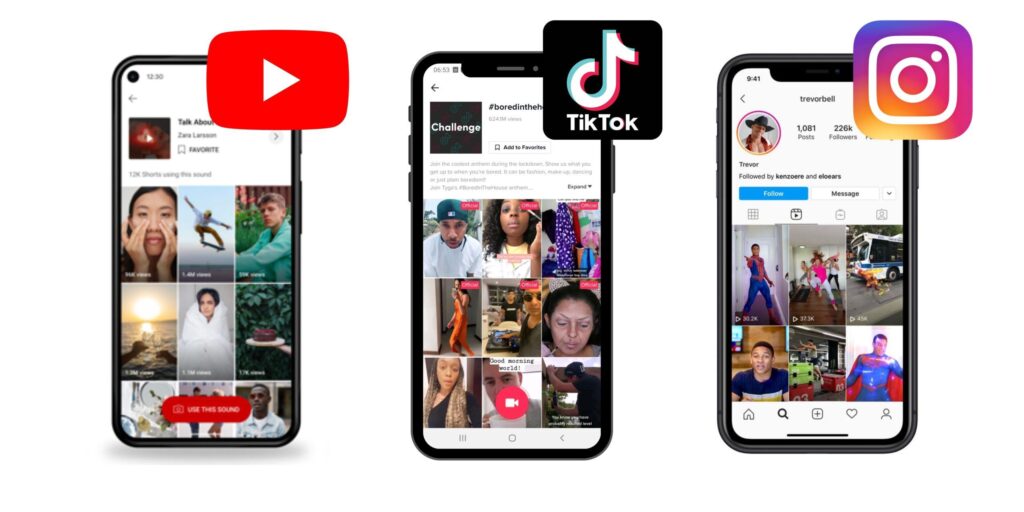
Even without the pandemic, the product faced a structural problem. Quibi asked users to pay $4.99 a month for content before they had any free way to sample it, competing for attention against TikTok, YouTube, Instagram, and Snapchat, all of which were free and already embedded in daily habits. Katzenberg later admitted the team expected adoption to be easier than it was (Variety, October 2020).
The more important fact is that no one had verified the core assumption before the spending began. Quibi spent its resources perfecting content and technology while never validating the most basic question: did anyone want this format badly enough to pay for it?
Move 2: The launch into lockdown
The app went live on April 6, 2020, just as stay-at-home orders were taking hold across the United States. The behaviour Quibi depended on, people moving between short pockets of time with a phone in hand, was temporarily extinct (CBS News, October 2020). What the pandemic exposed, however, was a problem that predated it. Quibi’s content never generated the word-of-mouth pull that converts trial users into paying subscribers, regardless of the external environment.
Move 3: The shutdown decision
By October 2020, with approximately 500,000 subscribers against an original year-one target of more than seven million, Katzenberg and Whitman concluded the business was not succeeding and announced a wind-down (CNBC, October 2020). The company returned roughly $350 million in remaining cash to investors. Behind the scenes, tension between Katzenberg and Whitman over decision-making authority had added friction at the worst possible time, a dynamic that slowed the organisation’s ability to respond to early warning signs.
By the numbers
| Metric | Value | Why it matters |
|---|---|---|
| Total funding raised | Approximately $1.75 to $2 billion (CBS News, CNBC, October 2020) | One of the largest pre-launch raises in media history |
| Time from launch to shutdown | Approximately 6 months (Variety, October 2020) | One of the fastest high-profile startup collapses on record |
| Content budget per hour | Up to $6 million (TechCrunch, October 2020) | Shows resources were poured into content before validating demand |
| Subscribers at shutdown | Approximately 500,000, against a target of 7 million+ (CNBC, October 2020) | The gap between projected and actual demand |
| Cash returned to investors | Approximately $350 million (CNBC, October 2020) | Shows how much capital remained essentially unused |

needed to sustain its business.
What competitors already understood
It would be more accurate to say Quibi missed what its competitors had already learned. Netflix, YouTube, and TikTok all earned the right to ask for attention by first giving value away for free and learning from real user behaviour at scale. Quibi skipped that step entirely, going straight to a paid subscription with no meaningful free trial at launch and no public beta to test which content formats actually resonated.
Failory’s analysis of the collapse notes that Quibi never ran a minimum viable product or experimental rollout before committing hundreds of millions of dollars to content (Failory, 2021). Competitors who had spent years testing with real users had a feedback loop Quibi never built.
Risks and challenges
- Unvalidated format assumption. The core premise, that people would pay for short, premium, mobile-only video in fragmented moments of daily life, was never tested at any meaningful scale before the full product was built and the budget was committed.
- Paid subscription with no free entry point. Launching a subscription product at $4.99 per month, with no meaningful free tier, into a market saturated with free content is structurally difficult in any environment, not just a pandemic one.
- Content-platform ambiguity. Quibi tried to be a content company and a technology platform simultaneously, without the years of iteration that either category typically requires. The result was a product that had neither the library depth of a content company nor the network effects of a platform.
- Leadership friction. Reported tension between Katzenberg and Whitman over authority during the launch period slowed the organisation’s ability to react to early warning signals (Variety, October 2020).
- No shareability. Quibi’s mobile-only restriction meant content could not be screenshotted, clipped, or shared in the ways social media audiences distribute content. In a launch period dependent on word of mouth, this was a structural handicap.
What founders can learn
- Validate the core assumption before committing production budget. The question Quibi never asked publicly, whether people would pay for this format before experiencing it, was answerable with a small test. Skipping that test at this scale is the defining error of the company’s history.
- Build a free entry point before asking for subscription commitment. In any market with strong free alternatives, a paid-only product without a trial forces a comparison that rarely favours the new entrant.
- Resolve founder-CEO authority early, in writing, before launch. Ambiguity about who makes the final call is manageable in calm conditions and disastrous in a crisis.
- Treat shareability as a product feature, not a marketing tactic. Content that cannot be shared is content that cannot be discovered organically, which means every new subscriber must be bought rather than earned.
Expert analysis
The bull case for Quibi, in hindsight, rests on its technology. The seamless switching between vertical and horizontal video was genuinely ahead of its time and has appeared in forms across other products since. The talent relationships Katzenberg built could, in theory, have eventually produced a breakout title that changed the subscriber trajectory.
The bear case is simpler and more damning. The fundamental bet, that short, premium, paid mobile drama was a real and large category, was never proven. The entire budget was spent assuming the answer was yes before anyone tested it. Even without a pandemic, the product was unlikely to find seven million paying subscribers in year one against free incumbents with years of user-behaviour data.
The contrarian view is that Quibi may not have failed because the idea was wrong, but because it attempted to be a content company and a platform company simultaneously, without the years of patient iteration that platforms like YouTube and TikTok needed to find their format.
Future outlook
Short-form video has continued to grow as a category globally since Quibi’s collapse. TikTok, YouTube Shorts, and Instagram Reels have collectively proven that the appetite for short, mobile-first content is real and enormous. What they also confirm is Quibi’s core mistake: the format requires algorithmic distribution and social sharing to reach scale, not a gated subscription model. Any future premium short-form service will need to solve the same distribution problem Quibi never addressed.
The bottom line
Quibi did not run out of money. It ran out of reasons for people to open the app. Capital and credibility can buy a launch, but they cannot buy product-market fit.
Key takeaways
- Quibi raised close to $2 billion and shut down approximately six months after its April 2020 launch.
- Backers included Disney, NBCUniversal, WarnerMedia, Goldman Sachs, JPMorgan, and Alibaba.
- The company spent up to $6 million per hour on content before validating whether anyone would pay for the format.
- It launched a paid subscription with no significant free tier, competing against established free platforms.
- Approximately $350 million in unused cash was returned to investors after the shutdown.
- The pandemic accelerated the failure but did not cause it: the core assumption was never validated in any environment.
Conclusion
Quibi is the clearest modern case study in what happens when pedigree substitutes for process. Every element traditionally considered a startup advantage, world-class founders, institutional backing, A-list content, a real technology differentiator, was present. The one thing missing was a validated answer to the question: does anyone want this badly enough to pay for it before they have seen it?
For founders watching from any category, the lesson is not that Hollywood money is dangerous or that pandemics are unpredictable. It is that the size of a fundraise and the names on the cap table are not proxies for product-market fit. Quibi proved that a company can have everything and still have nothing if the core assumption was never tested.
TFN LENS
The Quibi collapse is a useful reference point for every Indian founder currently raising a large pre-launch round on the strength of a thesis, a founding team’s pedigree, and investor confidence. The temptation, in both Silicon Valley and in India’s startup ecosystem, is to treat a large seed round as validation. It is not. It is a bet. The validation comes from users.
Quibi spent its bet before asking users whether the premise was right. The Indian market is unforgiving of that mistake in the same way, and at a fraction of the cost, the lesson is learnable before it becomes catastrophic.
Building something of your own? Follow The Founder Nation and NamasteVC for curated startup funding news, grant alerts, and founder stories from India’s startup ecosystem, delivered straight to your feed, every week.
Frequently asked questions
Why did Quibi fail?
Quibi failed primarily because its core assumption, that people would pay a monthly subscription fee for short-form, mobile-only premium video in the gaps of daily life, was never validated before the full budget was committed. The pandemic eliminated the commuter behaviour the product depended on, but a deeper product-market fit problem existed independently of timing.
How much money did Quibi raise and lose?
Quibi raised approximately $1.75 billion, with total funding close to $2 billion according to CBS News and CNBC reporting from October 2020. When the company shut down, approximately $350 million in remaining cash was returned to investors, meaning the rest had been spent, predominantly on content.
Who founded Quibi?
Quibi was founded by Jeffrey Katzenberg, who previously co-founded DreamWorks Animation, with Meg Whitman serving as CEO. Whitman had previously led eBay and Hewlett-Packard.
How many subscribers did Quibi have when it shut down?
Quibi had approximately 500,000 paying subscribers at shutdown, against a stated year-one target of more than seven million, according to CNBC’s October 2020 reporting.
Could Quibi have survived without the pandemic?
Most analysis suggests the pandemic accelerated Quibi’s failure but did not cause it. The product had structural weaknesses, including a paid-only model with no free tier, no content shareability, and an unvalidated format assumption, that would likely have produced slow subscriber growth in any environment.
What can founders learn from Quibi’s failure?
The primary lesson is to validate the core assumption before committing production budget. Quibi’s mistake was spending at scale before confirming that users would pay for the format. A smaller, free or low-cost test of the premise would have surfaced the demand problem far earlier and at a fraction of the cost.
©️ The Founder Nation | All rights reserved | Written by TFN Research Desk |