

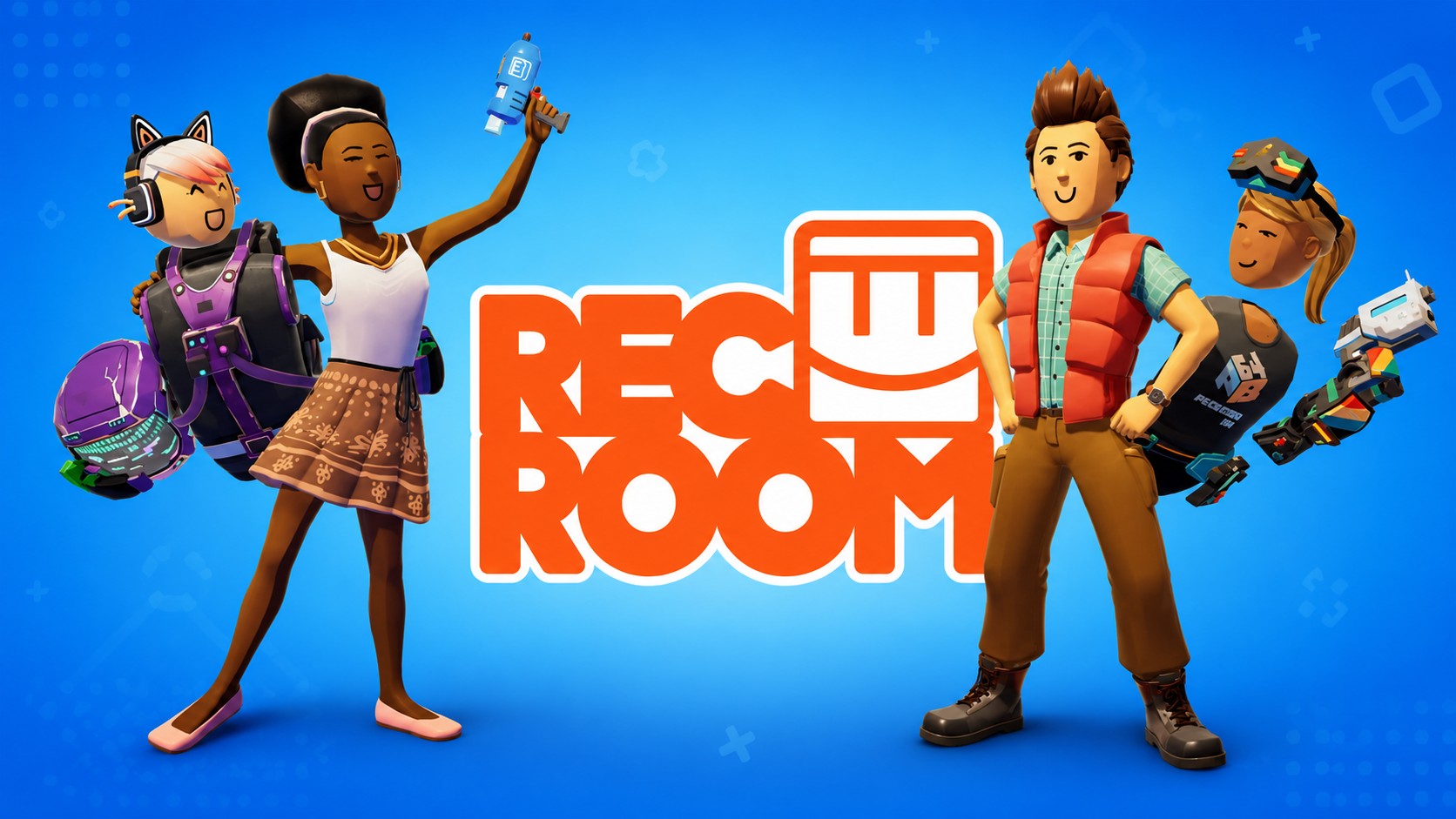
Rec Room brings social gaming, virtual experiences, and user-generated content together in an immersive digital world.
Rec Room Closes Permanently on June 1, 2026, After Reaching Over 150 Million Players and Creators
The popular social gaming platform concludes its operational run, addressing the persistent questions surrounding its permanent closure and the factors that led to the platform shutting down.
Rec Room officially completed its announced shutdown on June 1, 2026, closing its digital doors after attracting more than 150 million players and creators over its lifetime, as r1 The platform’s permanent closure brought an end to a vibrant virtual community where millions of users built rooms, played games, and interacted globally. Despite scaling to massive user adoption, the platform ultimately could not sustain its operations, leaving the community to reflect on the circumstances of its departure.
The virtual reality and cross-platform gaming ecosystem had grown substantially since its inception, functioning as a hub for user-generated content and social connection. Players could craft their own experiences and navigate diverse digital spaces, drawing in a massive global audience that surpassed 150 million participants. However, the operational realities of maintaining such a vast digital infrastructure presented ongoing challenges that culminated in the platform’s final closure date on June 1, 2026.
The shutdown highlights the immense financial and technical hurdles faced by large-scale social platforms in sustaining long-term engagement and infrastructure costs. Even with a massive player base and widespread creator adoption, maintaining high-concurrency servers and continuous product development requires robust, recurring revenue streams that can fluctuate wildly in the digital entertainment sector.
The conclusion of Rec Room’s operations marks a significant moment for the user-generated content landscape, reminding industry observers of the precarious nature of digital communities. As the platform transitions into history, its massive footprint leaves a lasting impact on how millions of users interacted, created, and connected across virtual worlds.