
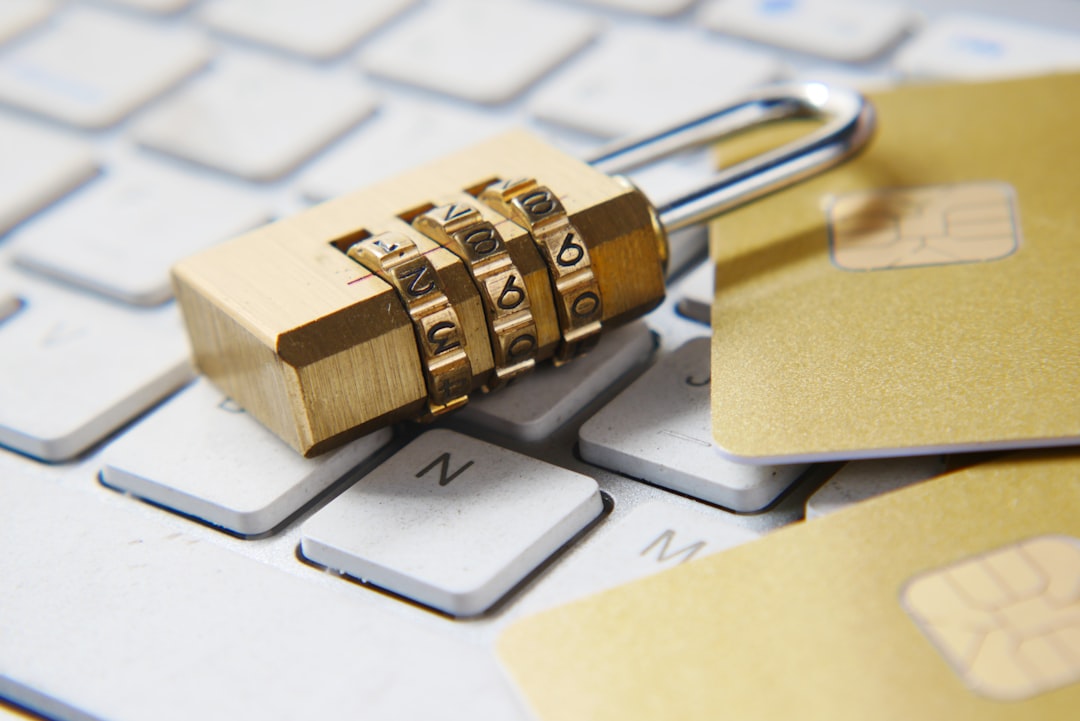
Securing digital identities and personal data online.
Entrepreneurs are increasingly becoming targets for cyberattacks because personal information is often closely connected to business accounts, financial systems, and company data. Protecting personal information online is therefore an important part of both personal cybersecurity and business risk management.
One of the most effective steps entrepreneurs can take is to use strong, unique passwords for every important account and enable multi-factor authentication (MFA) wherever available. This can significantly reduce the impact of compromised passwords.1
Entrepreneurs should also limit the amount of personal information shared publicly. Details such as home addresses, personal phone numbers, travel plans, family information, and financial details can be exploited for phishing, identity theft, and social engineering attacks.
Keeping operating systems, browsers, applications, and security software updated is equally important because updates frequently address known vulnerabilities. Entrepreneurs should also be cautious with unexpected emails, messages, attachments, and links, particularly when they involve payments, login credentials, or urgent requests.
Using a password manager, separating personal and business accounts, and securing devices with encryption, biometric authentication, or strong PINs can provide additional protection.2
Finally, entrepreneurs should regularly review privacy settings on social media, remove unnecessary personal information from public platforms, and monitor important accounts for suspicious activity.
For founders building businesses in a digitally connected environment, protecting personal information is no longer just an individual responsibility. It is an essential part of maintaining cybersecurity, business continuity, and customer trust.