
Uni Cards was founded by Nitin Gupta, Prateek Jindal, and Laxmikant Vyas in 2020.
Explore the story of Uni Cards founders Nitin Gupta, Prateek Jindal, and Laxmikant Vyas, their Pay 1/3rd card, funding journey, regulatory challenges, and business model shift.
Written by TFN Research Desk | covering startups, technology, venture capital, and business strategy
Quick Facts
| Founders | Nitin Gupta, Prateek Jindal, Laxmikant Vyas |
| Prior Ventures | Nitin Gupta – Co-Founder, PayU India; CEO, Ola Financial Services; Prateek Jindal – Built Ola Money Postpaid; Laxmikant Vyas – Head of Risk (EMI Cards) and Data Science, Bajaj Finance |
| Role | Co-Founder and CEO, Uni Cards (Nitin Gupta) |
| Founded | 2020 |
| Sector | FinTech / Credit |
Introduction
Nitin Gupta had already built and scaled one major fintech business, PayU India, before running Ola’s financial services arm and launching Olamoney Postpaid. In 2020, he teamed up with Prateek Jindal and Laxmikant Vyas, both fintech veterans in their own right, to launch Uni, betting that India’s credit card market was ripe for a consumer-friendly overhaul. (Forbes India) Five years on, Uni has weathered major regulatory shifts and is now navigating a steep valuation reset as it recalibrates its business model. (Ascendants)
The Uni Cards Story
Before founding Uni, Gupta had co-founded PayU India and later led Ola’s financial services business, where he launched Olamoney Postpaid. (TechCrunch) Jindal brought experience from building Ola Money Postpaid directly, while Vyas contributed a risk and data science background from his time heading EMI cards risk at Bajaj Finance. (Entrepreneur India)
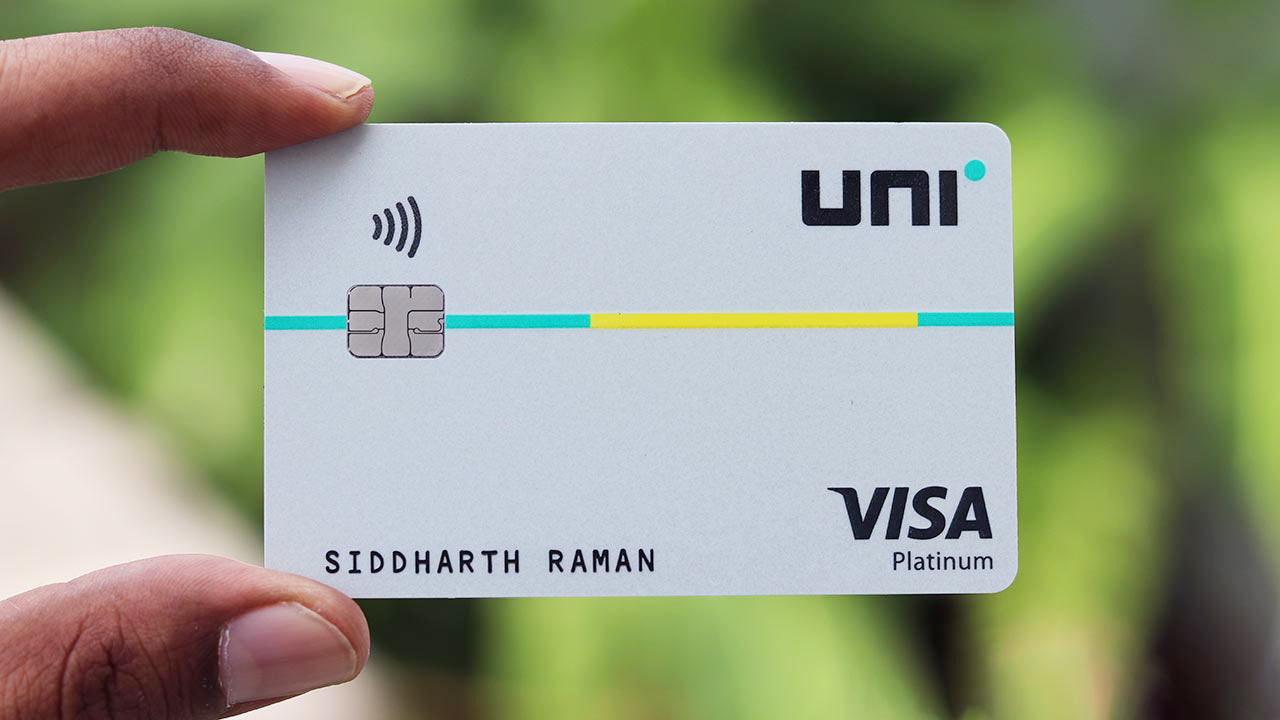
The founders launched Uni in October 2020 while still in stealth mode, raising an $18.5 million seed round from Lightspeed India and Accel India before revealing any product details. (YourStory) Their flagship product, the “Pay 1/3rd” card, launched in mid-2021 and let users automatically split transactions into three interest-free installments, an idea born from an internal survey showing that many employees regularly borrowed money from friends or family to cover short-term gaps. (Forbes India)
However, the regulatory environment around digital lending shifted sharply in the years that followed. The Reserve Bank of India’s 2022 restrictions on credit lines loaded onto prepaid instruments disrupted Uni’s original BNPL-style model, and subsequent scrutiny of co-branded card data-sharing arrangements added further pressure. (Ascendants) As a result, Uni pivoted away from personal loans toward credit card distribution, now issuing co-branded cards with Bank of Baroda and Yes Bank under its GoldX card program. (Ascendants)
Business Model
Uni earns revenue primarily through its co-branded credit card partnerships rather than direct lending:
| Revenue Stream | How It Works |
|---|---|
| Interchange and card fees | Earned through co-branded credit cards issued with Bank of Baroda and Yes Bank |
| Rewards program | GoldX card converts spending into 24K gold, monetised through partner arrangements |
| Legacy lending servicing | Residual income from servicing existing borrowers on paused loan products |
(Sourced from Ascendants and Tracxn)
Funding History
| Round | Year | Amount | Key Investors |
|---|---|---|---|
| Seed | Oct 2020 | $18.5 million | Lightspeed India, Accel India, Greenoaks |
| Series A | Dec 2021 | $75 million | General Catalyst, Eight Roads Ventures, Elevation Capital |
| Debt/Bridge rounds | 2022–2024 | ~$10 million (cumulative) | Stride Ventures, DMI Sparkle Fund |
| New round (in talks) | 2026 | ~$18 million (proposed) | Existing investors, at a steep valuation markdown |
(Sourced from Tracxn and Ascendants)
Overall, Uni Cards has raised roughly $104 million to date. Its proposed 2026 round is reportedly being discussed at a valuation of around $95 million, a drop of more than 70% from its earlier valuation of approximately $350 million, reflecting the impact of tighter fintech regulation on its business model. (Ascendants)
Revenue and Growth
| Metric | FY24 | FY25 |
|---|---|---|
| Revenue | ₹100 crore | ₹95 crore (down slightly) |
| Net Loss | ₹167 crore | ₹151 crore (down slightly) |
(Sourced from Ascendants)
Notably, Uni has paused new loan disbursals and is currently focused on servicing existing borrowers while it rebuilds around card distribution, with CEO Nitin Gupta stating the company now issues more than 40,000 credit cards a month. (Ascendants)
Uni Cards vs Competitors
Uni Cards competes with American Express, OneCard, and Stashfin in India’s digital credit card space. (Tracxn) Unlike some rivals that continued expanding into personal lending, Uni has narrowed its focus toward co-branded card distribution, a shift shaped directly by regulatory pressure on its earlier BNPL and P2P lending partnerships.
Key Takeaways
- Nitin Gupta, Prateek Jindal, and Laxmikant Vyas founded Uni Cards in 2020, launching the “Pay 1/3rd” credit card in 2021.
- RBI restrictions on prepaid credit lines and co-branded card data-sharing forced a major business model pivot away from BNPL and personal lending.
- Uni has raised roughly $104 million to date and is reportedly in talks for a new round at a valuation cut of over 70%.
- FY25 revenue held roughly flat at ₹95 crore, with losses narrowing slightly to ₹151 crore.
- The company competes with American Express, OneCard, and Stashfin in India’s credit card market.
FAQs
Who founded Uni Cards?
Nitin Gupta, Prateek Jindal, and Laxmikant Vyas founded Uni Cards in 2020.
Why did Uni Cards pivot away from BNPL?
RBI restrictions on prepaid credit lines and tighter scrutiny of co-branded card data-sharing disrupted its original lending model.
How much funding has Uni Cards raised?
Roughly $104 million to date, with a new round reportedly being discussed at a steep valuation markdown.
Who are Uni Cards’ competitors?
American Express, OneCard, and Stashfin in India’s digital credit card market.
© The Founder Nation | Written by TFN Research Desk